⭐ How Digital Dentistry Is Transforming Modern Clinical Practice
Digital dentistry has rapidly evolved from a future concept into a standard of care in clinics and dental centers worldwide. Today, advanced digital tools are reshaping the way dentists diagnose, plan treatments, and deliver restorations with accuracy, speed, and consistency.
This transformation is driven by modern technologies such as intraoral scanners, CAD/CAM systems, 3D printers, and high-resolution imaging devices — all designed to create a seamless, precise, and patient-centered workflow.
1. Faster and More Accurate Diagnosis
Digital dentistry provides immediate, high-quality data that helps clinicians make faster and more accurate diagnostic decisions.
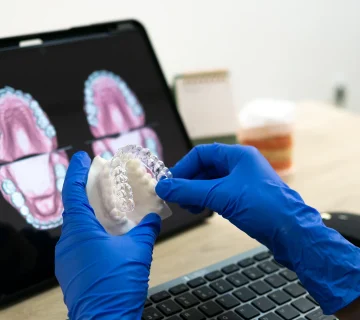
Intraoral scanners and digital imaging systems capture detailed visuals that eliminate the limitations of traditional impressions.
This enhances:
-
Clinical accuracy
-
Patient comfort
-
Treatment efficiency
-
Documentation and monitoring
With clearer images and precise scans, dentists can confidently assess conditions, monitor progress, and plan treatments tailored to each patient.
2. Improved Treatment Planning and Predictability
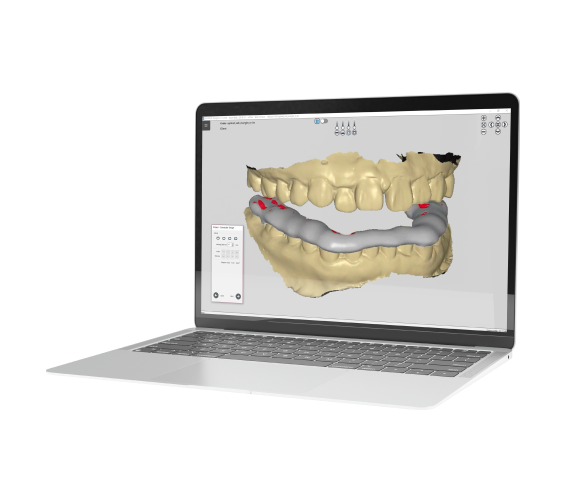
One of the biggest advantages of digital dentistry is the ability to design treatments using advanced software.
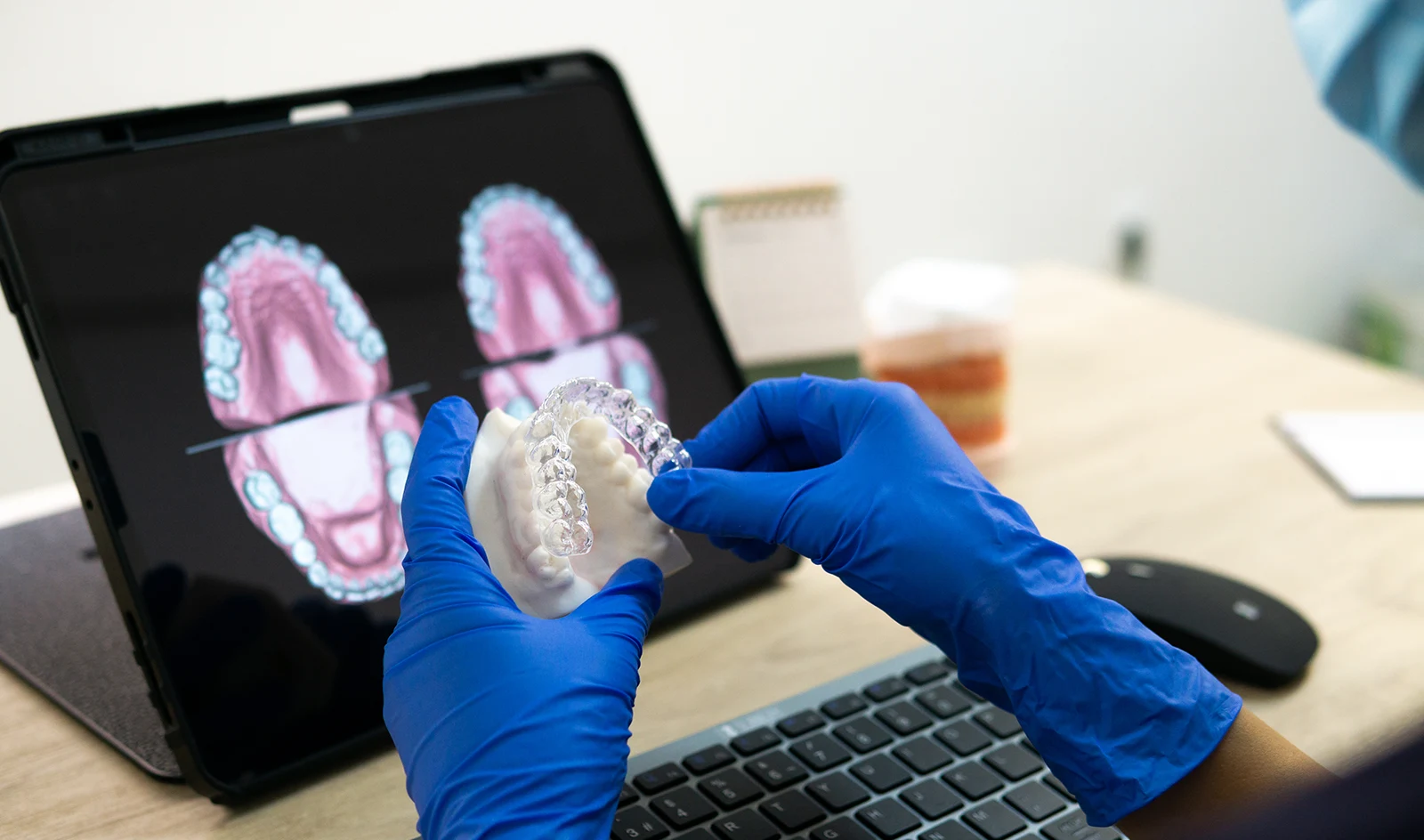
Digital planning tools allow clinicians to visualize outcomes before treatment begins, ensuring predictable and stable results.
Whether for orthodontics, prosthetics, implant planning, or cosmetic procedures, digital simulations help clinicians:
-
Enhance communication with patients
-
Reduce errors
-
Improve case acceptance
-
Achieve consistent outcomes
This makes treatment planning more efficient and significantly more reliable.
3. Seamless Integration With CAD/CAM Systems
The integration of CAD/CAM technology has transformed the way prosthetic restorations are made.
Dentists and labs can now design crowns, bridges, veneers, and surgical guides with exceptional accuracy.
Key benefits include:
-
Same-day restorations
-
Reduced chair time
-
Higher precision and fit
-
Improved material durability
With digital workflows, dental professionals eliminate multiple manual steps, minimizing errors and speeding up production.
4. Enhanced Patient Experience
Digital tools allow clinics to offer a smoother and more comfortable patient experience.
Traditional impressions can be uncomfortable, messy, and time-consuming.
Digital scanning, however, produces faster results with more accuracy and zero discomfort.
Patients also appreciate:
-
Clear visual explanations
-
Faster delivery of restorations
-
More predictable outcomes
-
Higher satisfaction with treatment
This leads to improved trust and stronger patient-clinician relationships.
5. In-House Production with 3D Printing and Milling
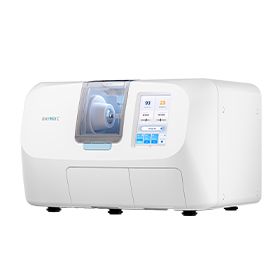
Modern clinics are increasingly adopting in-house production technologies such as 3D printers and milling units.
These systems allow dental professionals to fabricate models, surgical guides, temporary crowns, and even permanent restorations efficiently.
Benefits include:
-
Lower production cost
-
Faster turnaround time
-
Greater control over quality
-
Flexibility for urgent or same-day cases
This shift not only boosts productivity but also enhances the overall efficiency of clinical workflows.
Conclusion
Digital dentistry is more than just a technological upgrade — it represents a complete transformation in clinical practice.
By integrating digital scanning, planning, design, and production, dental professionals can deliver precise, efficient, and patient-centered care like never before.
At Glory, we support this transformation by providing advanced dental and radiology solutions that empower clinics to achieve excellence with every case.
Embracing digital dentistry is no longer optional — it is the key to future-ready, high-quality dental care.