
⭐ Why High-Resolution Imaging Systems Matter in Dental Diagnosis
Modern dentistry depends heavily on accuracy, speed, and clear diagnostic insights. High-resolution imaging systems have become essential tools in clinics and dental centers worldwide. They enable dentists to see what the eye cannot — capturing detailed visuals that guide precise diagnosis, treatment planning, and long-term patient care.
As dental technology continues to advance, the importance of high-quality imaging grows even stronger. From early detection of pathology to precise implant planning, high-resolution imaging is transforming how clinicians understand and treat oral conditions.
1. Early and Accurate Disease Detection
High-resolution imaging systems provide the clarity needed to identify oral issues at their earliest stages.
This includes:
-
Caries detection
-
Bone loss evaluation
-
Root fractures
-
Cysts and lesions
-
Impacted teeth
-
Periodontal assessment
With sharper images and greater detail, dentists can detect problems long before they become complex or painful — improving patient outcomes and reducing treatment costs.
2. Better Visualization for Treatment Planning
A clear and accurate image is the foundation of effective treatment planning.
Whether placing implants, assessing jawbone density, or planning surgical procedures, advanced imaging systems offer a reliable, data-driven view of the patient’s anatomy.
Key benefits include:
-
Enhanced diagnostic confidence
-
Precise treatment mapping
-
Reduced complications
-
More predictable results
For implantology and oral surgery, high-resolution imaging is indispensable.
3. Greater Patient Understanding and Communication
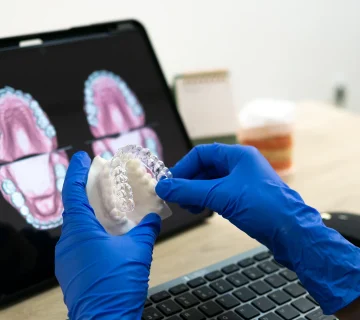
One of the most overlooked advantages of modern imaging is improved communication with patients.
Clear visuals make it easier to explain:
-
Treatment needs
-
Expected outcomes
-
Risks and alternatives
-
Progress over time
When patients clearly see the problem and understand the solution, they are more likely to accept treatment and feel confident in the dentist’s recommendations.
4. Reduced Radiation With Advanced Technology
Today’s high-resolution imaging technologies offer exceptional clarity while maintaining low radiation exposure.
This balance between diagnostic detail and patient safety is critical, especially for:
-
Children
-
Pregnant patients (with precautions)
-
Patients requiring frequent imaging
Manufacturers now focus heavily on delivering powerful diagnostic images with minimized exposure, ensuring safety without compromising accuracy.
5. Integration With Digital Workflows
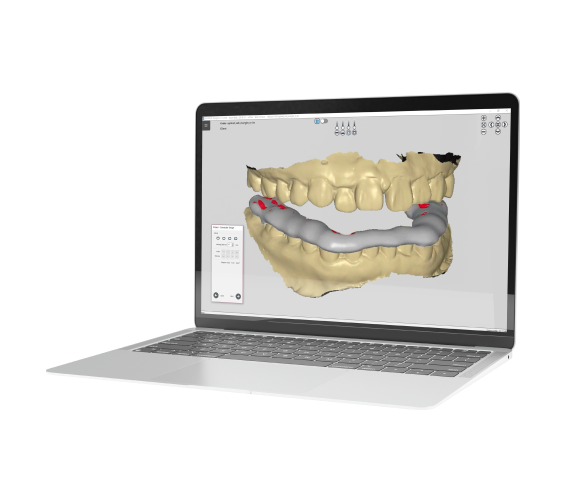
Modern imaging systems are designed to work seamlessly with digital dentistry tools, such as:
-
CAD/CAM restoration planning
-
Implant simulation software
-
Digital orthodontic workflows
-
Intraoral scanners
-
3D printing
-
Milling systems
This integration allows clinicians to build more efficient, precise, and connected workflows — from diagnosis to final restoration.
Conclusion
High-resolution imaging systems are no longer optional in modern dentistry — they are essential.
They empower clinicians with clearer insights, earlier detection, improved planning, and safer procedures.
By combining accuracy with digital integration, advanced imaging elevates both clinical outcomes and patient experience.
At Glory, we offer cutting-edge radiology solutions designed to deliver the clarity and reliability that dental professionals depend on every day. High-quality imaging is the first step toward high-quality care — and we help you achieve both.